
Boosting Profitability: Essential Operational Strategies for Modern Eateries
Running a profitable restaurant or café today means more than just great food and service. It requires sharp operational insight and the ability to make every sale count. Many owners grapple with questions like, 'Where are my profits really going?' or 'How can I increase sales without huge investments?' The good news is, modern digital tools offer clear answers.
Understanding Your Profit Levers
Profitability in a food business rests on two main pillars: controlling costs and maximizing revenue. Costs include everything from ingredients and labor to utilities. Revenue comes directly from every order placed and fulfilled. Small improvements in either area can have a big impact. This means looking at how you manage your menu, take orders, track inventory, and understand your sales data.
Streamlining Ordering for Higher Sales
One of the quickest ways to improve revenue and operational flow is by modernizing your ordering process. Imagine diners scanning a QR code at their table, browsing a beautiful digital menu on their own smartphone, and placing an order directly. They don't need to download an app or sign up for anything; it works right in their browser.
This simple shift brings several advantages:
- Higher Order Value: Guests can take their time browsing high-definition food photos and easily see customization options like add-ons or size variants. This often leads to larger orders.
- Improved Accuracy: Self-ordering reduces miscommunication between staff and kitchen, cutting down on wasted food and customer complaints.
- Faster Service: Staff can focus on service and food delivery, rather than taking orders, leading to quicker table turnover and more satisfied guests.
- Enhanced Guest Experience: Diners appreciate the control and convenience, especially with dietary labels (Veg/Non-Veg/Vegan/Halal) clearly marked.
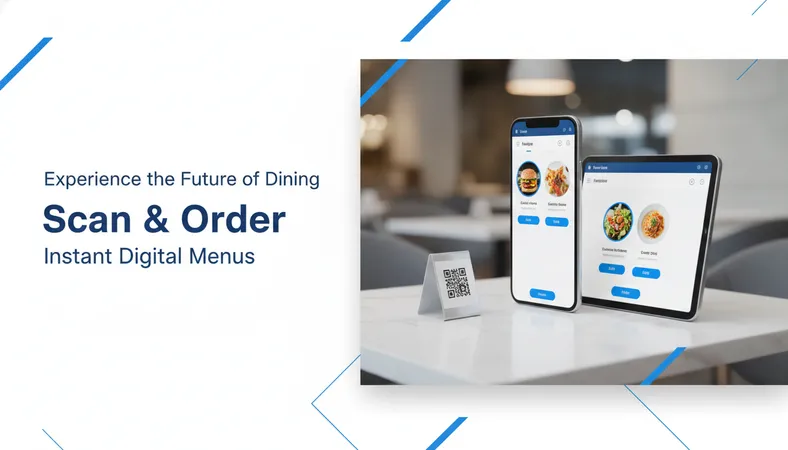
Beyond dine-in, integrating takeaway or pickup options into the same system expands your reach. This allows customers to order ahead and pick up their food quickly, opening new revenue streams without significant additional overhead.
Gaining Control Over Costs and Inventory
Food costs are often the largest controllable expense for restaurants. Without accurate tracking, ingredients can be wasted, or you might run out of popular items. A digital system can help here, too.
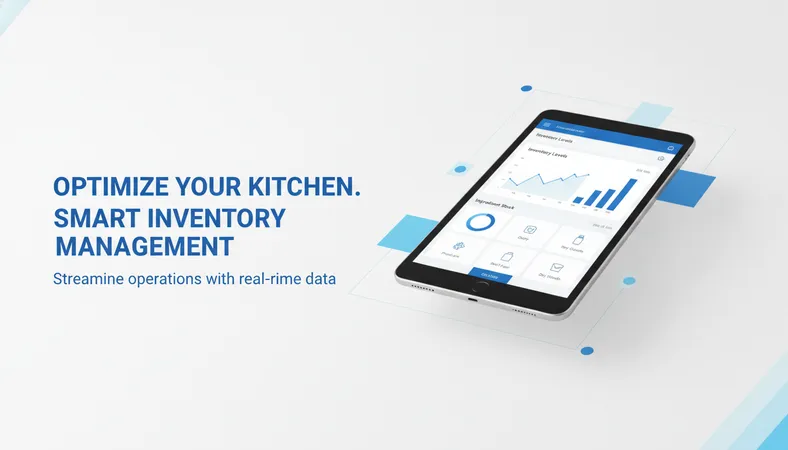
- Ingredient Tracking: Knowing exactly what's in stock, what's selling, and what you need to reorder prevents overstocking and reduces spoilage.
- Stock Alerts: Get automated notifications when items run low, helping you reorder on time and avoid disappointing customers.
- Better Purchasing Decisions: With clear data, you can negotiate better with suppliers and make informed decisions about portion sizes and menu pricing.
Smart Operations and Data-Driven Decisions
Efficiency extends to your point-of-sale (POS) and kitchen operations. A fast touch POS system linked to kitchen order ticketing (KOT) ensures orders are sent quickly and accurately to the right station, whether it's the main kitchen, bar, or dessert prep.
- Reduced Errors: Automation minimizes human error in billing and order routing.
- Faster Checkout: Speedy transactions mean happier customers and more efficient table turnover.
- Valuable Analytics: Every transaction recorded provides data. Sales analytics reports show you your best-selling items, peak hours, and customer preferences. This insight is gold for menu engineering, promotions, and staff scheduling.
For growing businesses with multiple locations, a multi-branch management feature gives you a centralized view of all operations. You can manage menus, inventory, and sales across all your outlets from one dashboard, providing complete business control and consistency.
[IMAGE_PLACEER: A close-up of a modern, unbranded POS screen showing a restaurant's sales analytics dashboard with graphs and charts. A hand is interacting with the touchscreen. The setting is a clean, professional counter area, strictly without any logos or branding. Corporate blue and white theme.]
Frequently Asked Questions
Q: Is implementing a digital system complicated for my staff? A: Not at all. Modern systems are designed with user-friendly interfaces, often taking less than 15 minutes to set up. Staff adoption is typically very quick because the tools simplify their daily tasks.
Q: Can a digital menu really help me reduce food waste? A: Yes, significantly. By integrating with ingredient tracking and providing sales data, you can accurately forecast demand, optimize portioning, and identify slow-moving items, directly reducing waste.
Q: What about the cost of these systems for a small business? A: Many robust digital solutions are now highly affordable and budget-friendly, offering comprehensive features at a low cost. They provide great value, making advanced technology accessible even for growing eateries.
Q: How does a digital menu improve the customer experience? A: Guests enjoy the convenience of ordering from their seat without waiting, viewing high-quality photos, customizing their meals easily, and having clear dietary information. It's a modern, seamless dining experience.
Moving Forward with Confidence
Optimizing your restaurant's operations doesn't have to be expensive or complex. By embracing cost-effective, feature-rich digital tools, you gain the control and insight needed to cut costs, boost revenue, and provide an excellent experience for your guests. If you're ready to make your operations smarter and more profitable, exploring a modern digital menu and management solution can be a great next step.