Optimizing Restaurant Inventory: How Digital Menus Reduce Waste and Boost Profitability
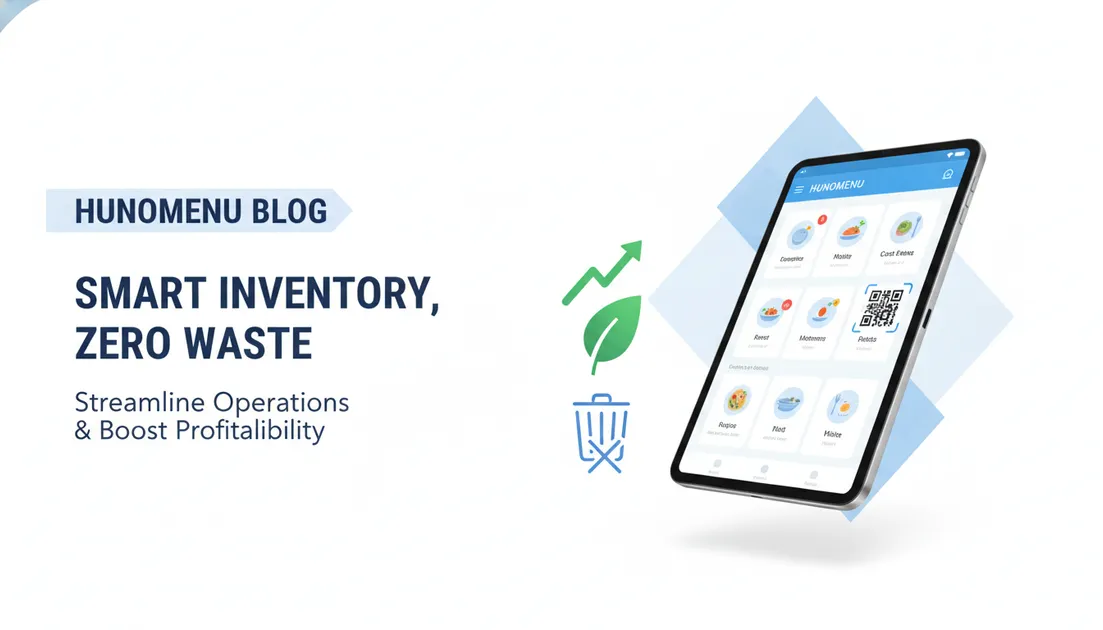
For restaurant and café owners, the daily battle against food waste and inefficient inventory management is real. Every spoiled ingredient, every miscalculated order, chips away at profitability. Traditional methods often fall short, leaving operators guessing rather than knowing.
The Hidden Costs of Poor Inventory Management
Think about the fresh produce that goes bad before it's used, the '86' items that customers wanted but were out of stock, or the ingredients bought in excess because demand was misjudged. These aren't just minor inconveniences; they represent significant financial drains. Accurately tracking what's on hand, what's selling, and what's needed is crucial for operational efficiency and sustained success.
Beyond the Paper Menu: A New Approach to Stock Control
Most restaurant owners view their menu as a static list of offerings. However, a modern digital menu system is much more than just a display; it's a powerful tool for operational control. By linking your menu directly to your back-end operations, you gain unprecedented visibility into your stock.
Imagine being able to update your menu instantly when an ingredient runs low, or even better, seeing a real-time alert about critical stock levels. This proactive approach saves money and prevents customer disappointment.
Real-Time Data for Smarter Decisions
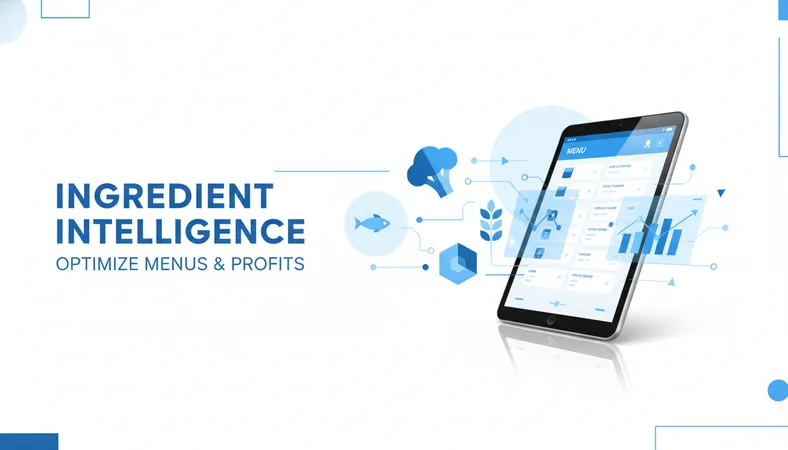
One of the biggest advantages of a digital menu platform is its ability to gather and analyze sales data. When customers order through your digital menu, every transaction contributes to a valuable pool of information. This isn't just about daily totals; it's about understanding what dishes are popular, what ingredients are moving fastest, and identifying slow-moving items.
- Ingredient Tracking: As orders come in through your digital menu, the system can automatically deduct ingredients from your virtual inventory. This gives you a living, breathing picture of your stock levels.
- Stock Alerts: Configure automated alerts for when certain ingredients drop below a set threshold. This means you get a notification to reorder before you run out, avoiding last-minute rushes or compromises on menu offerings.
- Sales Analytics: Detailed sales reports help you forecast demand more accurately. By knowing what sells best during different times of day or seasons, you can adjust your purchasing to match actual consumption, drastically reducing over-ordering and waste.
Minimizing Waste, Maximizing Profit
With precise data at your fingertips, you can make informed decisions that directly impact your bottom line.
Consider these benefits:
- Dynamic Menu Adjustments: If a key ingredient for a daily special is running low, you can instantly '86' the item or promote alternatives directly on the digital menu. No need to reprint, no disappointed customers after they've tried to order.
- Reduced Spoilage: By ordering only what you need, based on actual sales data, you minimize the amount of perishable food that spoils before it's used. This cuts down on waste and saves money on discarded inventory.
- Optimized Purchasing: Sales analytics help you identify purchasing patterns and negotiate better deals with suppliers based on consistent, data-backed order volumes. This can lead to significant cost savings over time.
Seamless Customer Experience, Streamlined Operations
A modern digital menu doesn't just benefit the back end; it elevates the customer experience too. Imagine your diners scanning a QR code at their table or seat using any smartphone browser – no app download or account registration required. They instantly view your menu with high-definition food photos, complete with clear dietary labels like 'Vegetarian,' 'Non-Veg,' or 'Vegan.' They can customize their orders with add-ons or size variants and place them directly from their seat.
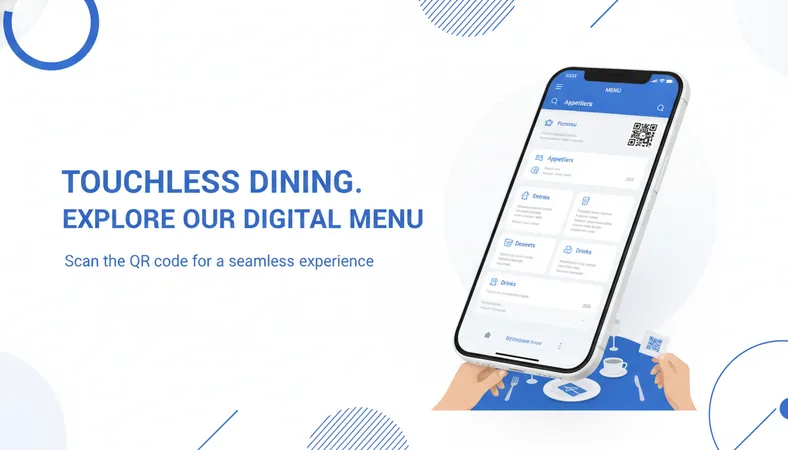
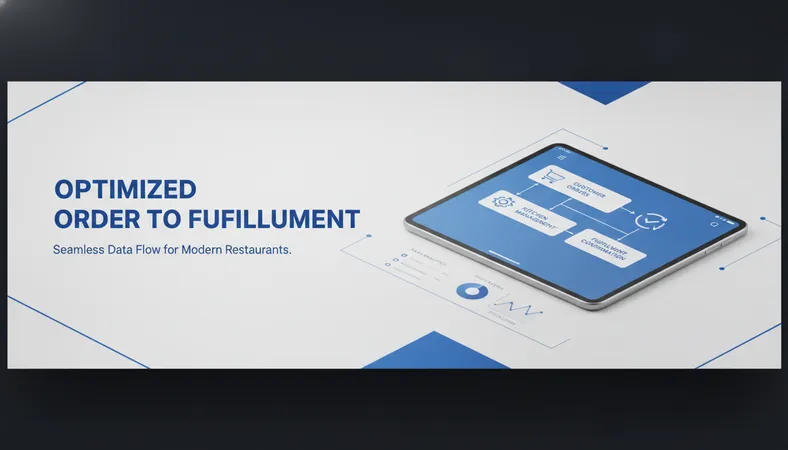
These orders flow directly to your kitchen and POS system, creating a seamless connection between customer demand and inventory deduction. This efficiency means faster service, happier guests, and a more accurate record of what's being consumed.
Implementing a Smart Digital Menu System
Adopting this technology doesn't have to be complicated. Many budget-friendly, feature-rich platforms are designed for small and growing businesses, requiring zero technical knowledge. Setup is often simple, allowing you to get started in less than 15 minutes. The mobile-first design makes it easy for your staff to adopt, ensuring a smooth transition and complete business control.
Frequently Asked Questions (FAQ)
Q: How does a digital menu help prevent food waste? A: By linking sales data directly to inventory, a digital menu system helps you track ingredient usage in real-time. This allows for more accurate purchasing, reduces overstocking, and enables instant menu updates if an item or ingredient becomes unavailable, preventing wasted prep or customer disappointment.
Q: Is it difficult to set up and manage inventory with a digital menu system? A: Not at all. Many modern digital menu solutions are designed for ease of use. Setting up your menu and connecting it to basic inventory tracking is often a straightforward process that doesn't require technical expertise. Platforms focus on user-friendly interfaces to give you complete business control.
Q: Can I use a digital menu for different ordering modes, like dine-in and takeaway? A: Yes, absolutely. A robust digital menu system supports multiple ordering modes, including dine-in table ordering, takeaway/pickup, and even delivery. This flexibility allows you to manage all sales channels from a single platform, further streamlining your inventory and operational data.
Q: How do digital menus help with staff adoption and overall efficiency? A: The intuitive, mobile-first design of most digital menu systems makes them easy for staff to learn and use. Orders flow directly to the kitchen, reducing errors and improving order accuracy. This frees up staff to focus more on guest service rather than manual order taking or inventory checks, leading to greater overall operational efficiency.
By embracing a smart digital menu system, restaurants and cafés can move beyond guesswork and toward a data-driven approach to inventory management. This shift not only reduces costly food waste but also optimizes purchasing, streamlines operations, and ultimately boosts profitability. If you're looking for an affordable, feature-rich solution that offers comprehensive control and easy implementation, exploring a platform like HunoMenu could be a valuable step toward a more efficient and profitable future for your business.