
Upgrading Hotel Room Service: How Independent Properties Cut Costs and Improve Guest Dining
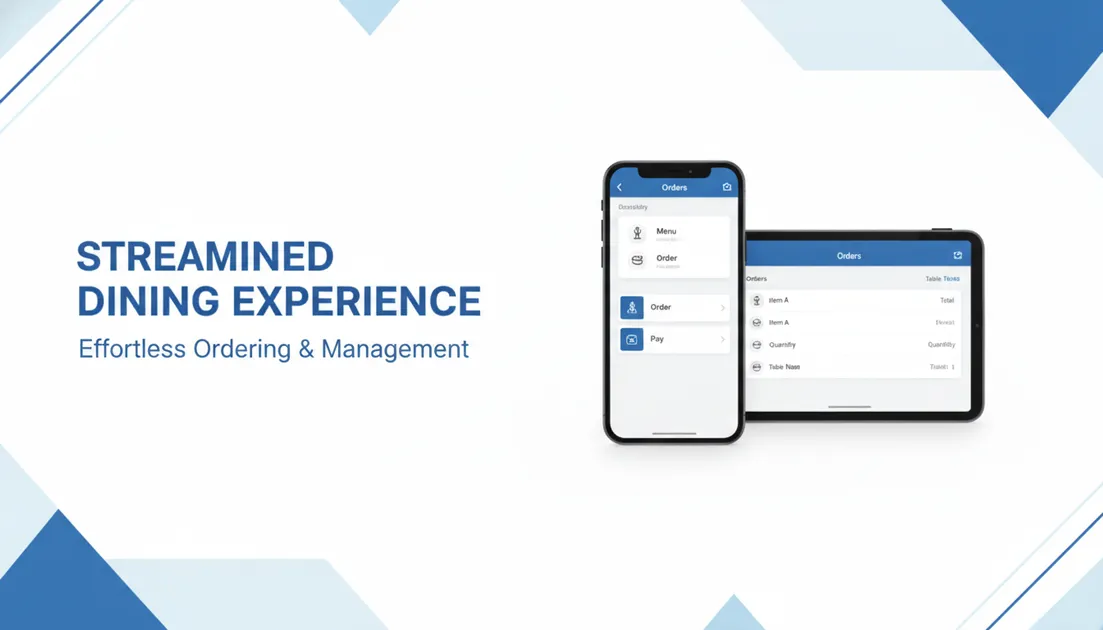
Traditional room service has long been a headache for boutique hotels, resorts, and bed-and-breakfasts. Guests dislike waiting on hold with the front desk just to ask if the kitchen can prepare a gluten-free dish. Meanwhile, kitchen teams struggle with scribbled phone notes, leading to incorrect orders delivered three floors up.
Running a dedicated in-room dining department often feels financially unsustainable for properties with 15 to 80 rooms. Between printed menu binders that ruin quickly and the staff hours needed to answer phones, room service costs eat away at food and beverage margins.
Modern independent hotels are finding a better path. By replacing physical directory folders with direct-to-kitchen digital ordering, properties are cutting operating friction while offering guests the quick, visual ordering experience they expect.
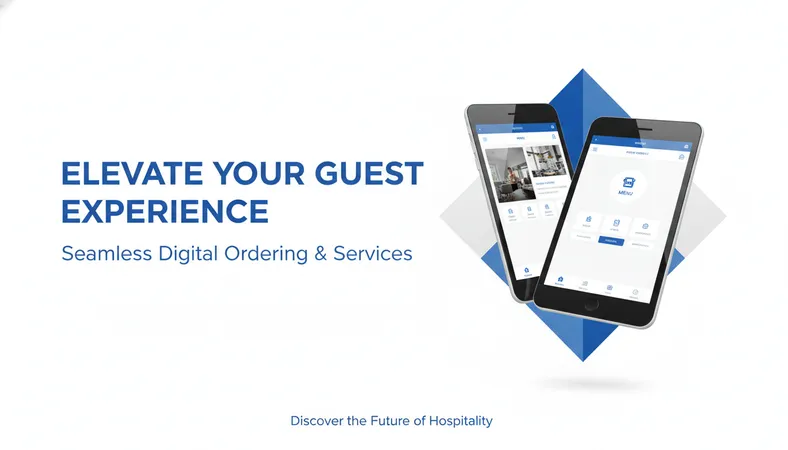
The Real Hidden Costs of Printed Hotel Menus
Most properties update their dining menus seasonally, but updating in-room compendiums rarely happens on schedule. Reprinting 50 laminated leather binders every time beverage prices shift or an ingredient becomes unavailable is both expensive and wasteful.
Beyond print costs, phone-based ordering creates operational bottlenecks:
- Front desk distraction: Reception staff often double as room service order-takers during off-peak hours, pulling attention away from arriving guests.
- Order errors and food waste: Misheard dietary requests or forgotten side dishes lead to remade plates and complimentary discounts.
- Missed upselling opportunities: Staff rarely have the time or training during a busy rush to suggest drink pairings, dessert specials, or premium sides.
When guests can see high-definition photos and clear ingredient lists on their own screens, they naturally explore more of the menu and order with confidence.
How Browser-Based Dining Works for Guests
Guests on vacation or business trips do not want to download another mobile app just to order a club sandwich or breakfast coffee. They want immediate access with zero barriers.
With web-based room service menus, the process takes seconds:
- The guest scans a dedicated QR code on their bedside table, desk, or pool lounger using their smartphone camera.
- The full menu opens instantly in their default mobile browser without requiring any user registration or app install.
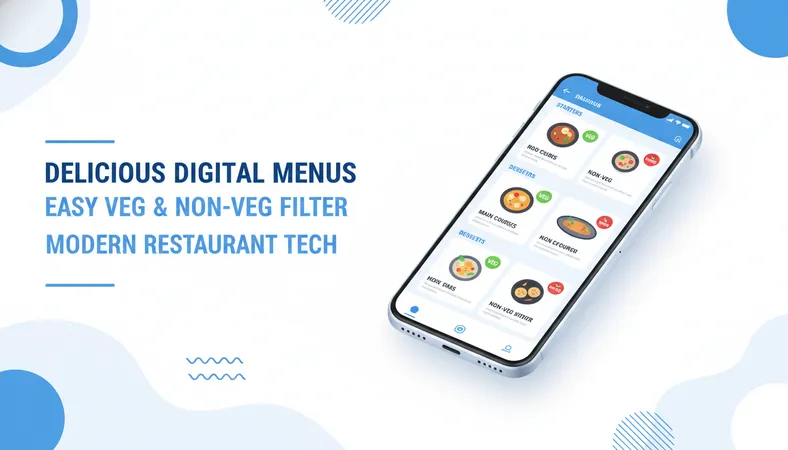
- Clear dietary tags (such as Vegan, Vegetarian, Halal, or Gluten-Free) help them filter items according to their lifestyle.
- Guests select portion sizes, pick add-ons, leave specific delivery notes, and tap to place the order.
Because the digital menu links directly to the specific room number or cabana spot, staff know exactly where to deliver without cross-checking room lists.
Expanding Service Beyond the Room: Poolside and Outdoor Areas
One of the biggest revenue opportunities for resorts and boutique stays is outdoor food and beverage. Guests lounging by the pool, garden patio, or beach cabana often want drinks and snacks, but flagging down a server across a wide property can take twenty minutes.
Placing weather-resistant QR stands on loungers and patio tables solves this challenge completely. Guests submit snack and cocktail orders right from their chairs. Orders route directly to the bar printer, complete with the cabana or lounger number.
This simple setup reduces the number of staff members needed to patrol outdoor zones while significantly increasing average guest spend throughout sunny afternoons.
Managing Kitchen Orders Without Complex Enterprise Systems
Historically, digital room service required five-figure hotel management software that took months to configure and cost thousands in setup fees. Small hotel teams do not need cumbersome enterprise platforms; they need simple, reliable tools that work out of the box.
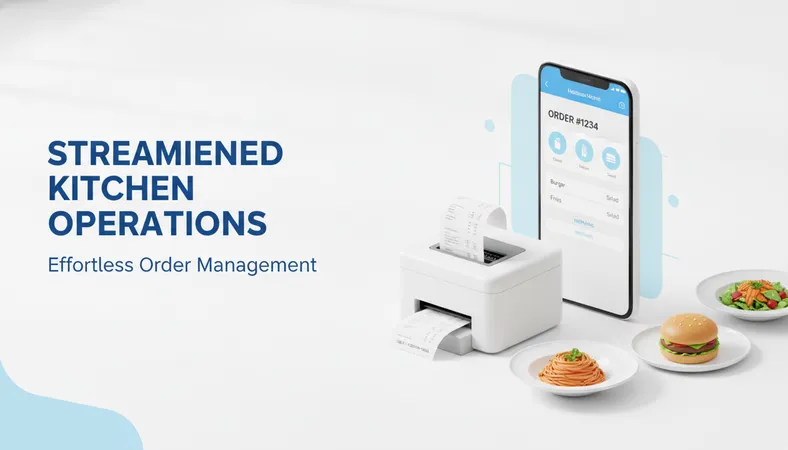
A sensible digital dining system sends incoming room orders straight to kitchen thermal printers (KOTs) or a clean counter tablet. Chefs see incoming orders with exact guest notes instantly. When the kitchen runs out of a specific fish or pastry, kitchen staff can mark the item out of stock with one tap on a smartphone. The item disappears from every guest screen instantly, preventing awkward apology calls from the kitchen.
Finding Value in Budget-Friendly Technology
Modern hotel software does not need to drain your operating budget. Independent hoteliers can deploy feature-rich platforms that require zero specialized hardware and take less than fifteen minutes to configure.
Platforms like HunoMenu give boutique hotels and resorts complete control over their in-room and outdoor dining. You can set up room-specific ordering, upload vibrant food photos, configure automated kitchen print routing, and update pricing anytime without touching physical paper. It delivers all the polish of a luxury resort guest portal at an affordable, predictable subscription price that suits small and medium hospitality budgets.
Giving your guests a seamless, photo-rich dining experience right from their phone browser helps your kitchen run smoother, reduces front desk strain, and turns in-room dining into a steady profit center.
Frequently Asked Questions
Do guests need to download an application to order?
No. Guests simply open their phone camera, point it at the QR code, and view the menu directly inside their standard web browser (like Safari or Chrome). There are no downloads, logins, or account creation steps required.
Can we assign specific QR codes to each room or cabana?
Yes. Each room, patio table, or poolside cabana receives a unique QR code. When an order is placed, the ticket printed in the kitchen or bar displays the exact delivery location automatically.
How hard is it to update prices or remove sold-out dishes?
Updates happen in real time. Managers or chefs can toggle an item off or change a price from any phone, tablet, or computer. The changes reflect immediately on every guest screen without reprinting paper inserts.
Does this require expensive new kitchen computers?
Not at all. You can run orders through existing tablets, standard web browsers, or standard thermal receipt printers (KOT) linked over your kitchen network.