Why Traditional Room Service Fails Independent Hotels (And How to Fix It)
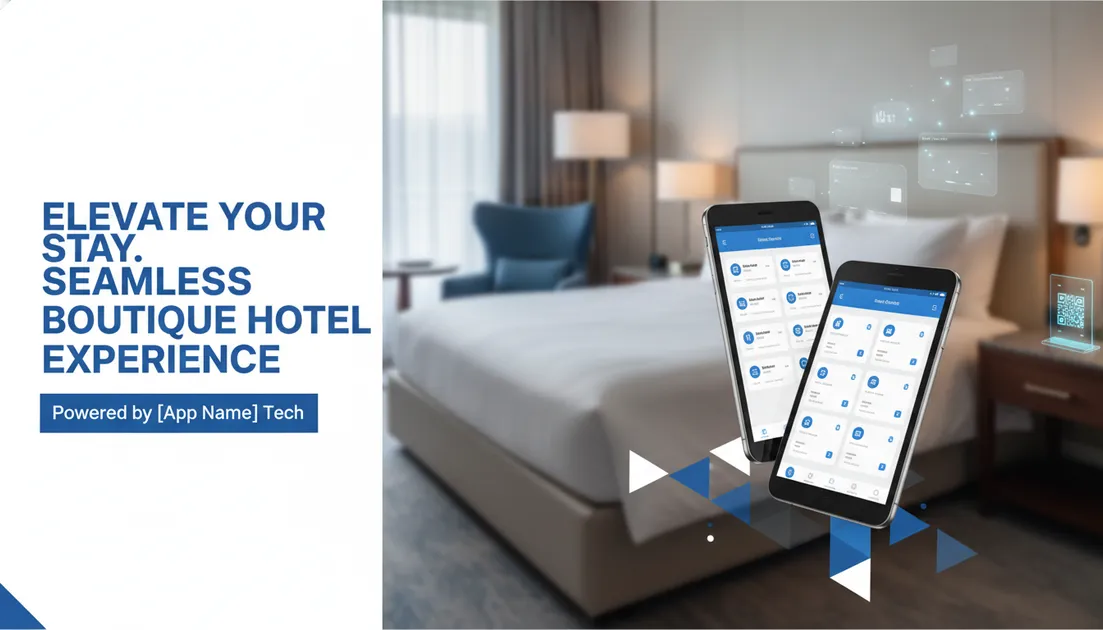
A guest walks into their hotel room after a long travel day. They want a hot meal and a cold drink. They look over at the nightstand, pick up the desk phone, and dial the kitchen extension.
The line rings six times. Downstairs, the front-desk agent is busy checking in a family of four while the phone buzzes continuously. When someone finally picks up, the guest asks for the grilled salmon, only to hear that the kitchen ran out two hours ago. The paper menu in the room was printed six months earlier.
Scenarios like this happen every evening in independent hotels, boutique inns, and regional resorts. In-room dining should be a high-margin amenity. Instead, outdated systems turn it into a source of friction for guests and a headache for your crew.
Fixing this issue does not require enterprise-level hospitality software or thousands of dollars in dedicated hardware. A practical, low-cost shift in how orders flow from the room to the kitchen changes everything.
The Real Cost of Phone-Based Room Service
Most smaller properties rely on printed room directories and dial-in extensions. While this setup feels traditional, it carries hidden operational costs that hurt your bottom line.
1. Front-Desk Distractions
When staff members spend five minutes writing down club sandwich requests, checking bread preferences, and asking for room numbers, guest service at the physical counter slows down. Every telephone order pulls staff away from welcoming arriving guests.
2. High Error Rates and Food Waste
Handwritten notes taken over noisy telephone lines lead to mistakes. A request for 'dressing on the side' gets lost, or a guest with a nut allergy receives the wrong dessert. Sending re-cooked meals up three flights of stairs wastes ingredients and kitchen labor.
3. Outdated Pricing and Locked Menus
Food costs shift frequently. When you rely on printed plastic folders in fifty or a hundred guest rooms, updating prices or rotating daily specials is expensive and time-consuming. Most operators end up eating price increases simply to avoid the cost of reprinting room collateral.
The Friction-Free Alternative: Direct Room Ordering
Modern hotel guests do not want to negotiate dinner over a corded landline. They prefer viewing options visually at their own pace.
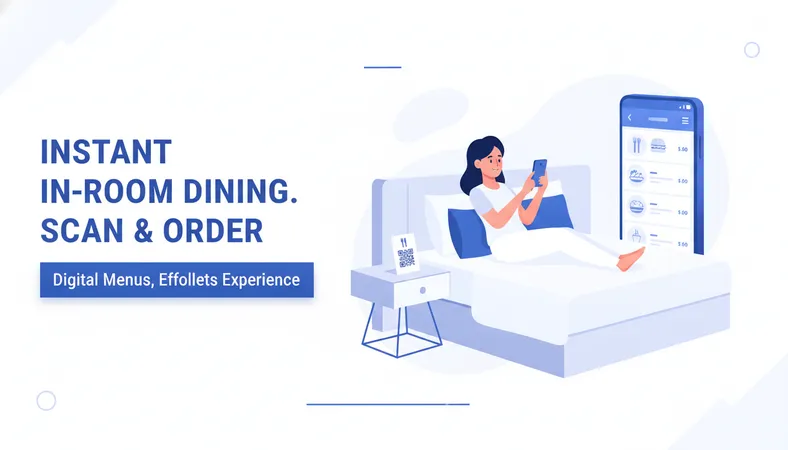
Giving guests a digital dining portal turns their personal smartphone into an interactive room service terminal. Here is how the process works in practice:
- Instant Browser Access: The guest points their phone camera at a neatly branded QR card placed on the nightstand or desk. The menu opens immediately in their default mobile browser. They do not have to download an app or fill out an account registration form.
- Clear Visuals and Dietary Transparency: Instead of a bare text line reading 'Pasta Primavera', guests see a sharp, high-definition photo. Clear tags mark dishes as Vegetarian, Vegan, Halal, or Gluten-Free. Guests with specific diets order with confidence without calling the kitchen to check basic ingredients.
- Customization and Add-ons: The system prompts the diner naturally. When they choose a steak, it asks for their meat temperature. When they order coffee, it offers dairy alternatives and dessert pairings. Guests get exactly what they want, and average spend rises naturally.
- Room Number Routing: The bedside code automatically attaches the guest room or suite number to the ticket, removing delivery confusion.
Improving Kitchen Speed with Direct Ticket Printing
Eliminating phone orders only works if the kitchen gets clean information instantly. In many properties, phone orders are transcribed by receptionists onto slips of scrap paper, then walked back to the kitchen whenever there is a break in foot traffic.
Direct digital ordering connects the guest directly to food preparation:
- The guest places their order from their bed or balcony.
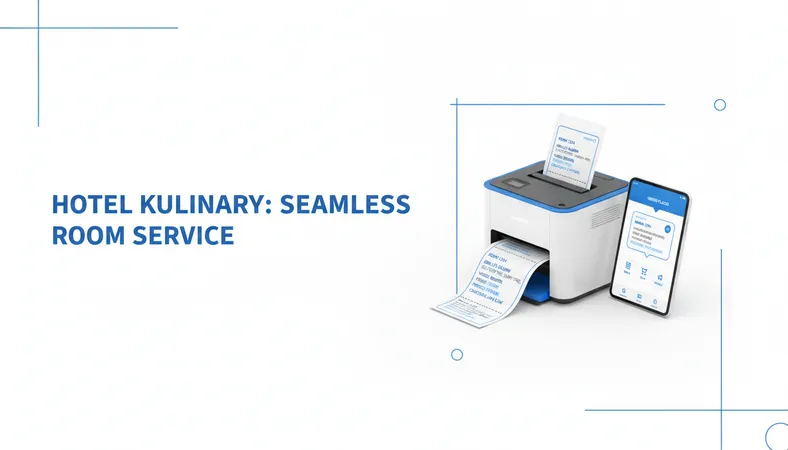
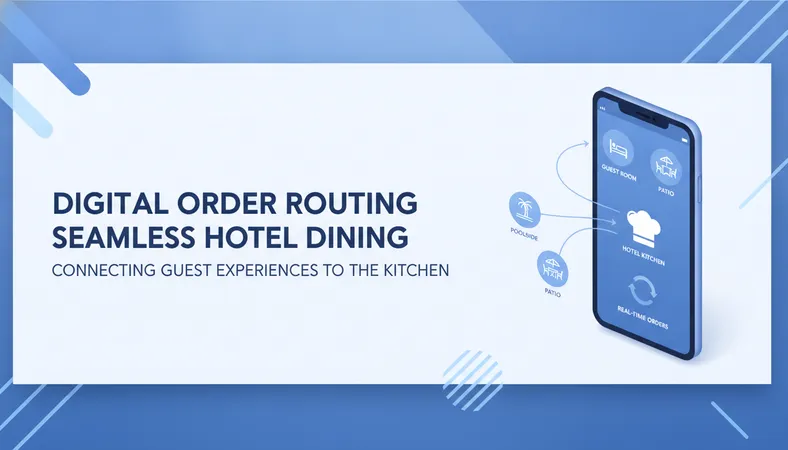
- The system sends the ticket straight to a thermal kitchen printer or kitchen display screen.
- The ticket prints with the exact room number, order timestamp, item modifications, and guest notes.
- Staff prepare the tray without playing telephone tag.
If the kitchen runs out of soup or bakery items mid-shift, a manager can mark the item out of stock from any phone or tablet in seconds. The item disappears from the guest view immediately, preventing awkward follow-up calls.
Expanding Service Beyond Guest Rooms
Boutique properties often have scenic outdoor areas that are difficult to staff continuously. Sun loungers by the pool, rooftop terraces, patio cabanas, and garden seating frequently generate zero food and beverage revenue simply because guests cannot find a server.
With flexible QR ordering modes, you can generate location-specific codes for each cabana, lounger, or picnic table. Guests relaxing by the pool can scan the armrest code, order iced tea and sandwiches, and have their items brought out directly to their exact spot.
You turn passive spaces into productive service zones without hiring extra roaming staff.
How Independent Hotels Can Adopt Digital Dining Fast
Transitioning to digital room service does not require weeks of staff seminars or heavy capital investments. Independent hoteliers can make the switch easily by focusing on three simple principles:
- Keep Setup Under Fifteen Minutes: Pick a platform that lets you upload your menu, add item photos, and organize categories without requiring IT consultants or web design skills.
- Use Your Existing Hardware: Choose a cloud-based solution that works alongside standard thermal receipt printers, basic Android or iOS tablets, and normal office desktop setups.
- Prioritize Low Cost Over Enterprise Contracts: Avoid platforms that take hefty commissions on your room dining or lock you into expensive multi-year hospitality software packages. Look for budget-friendly tools that deliver the full suite of ordering, POS billing, and menu agility for a predictable monthly fee.
Frequently Asked Questions
Do hotel guests need to download an application to view the menu?
No. Guests simply scan the QR code using their standard smartphone camera. The full menu opens directly in their web browser without requiring any app installation, account setup, or personal data entry.
Can we separate room service orders from our main restaurant orders?
Yes. Digital ordering systems allow you to set specific ordering modes and route tickets to different preparation areas or printers. You can designate dedicated room service workflows while keeping regular restaurant tables separate.
How fast can we update prices or remove an ingredient?
Updates take effect instantly. If your chef runs out of a key ingredient during evening service, you can mark the item unavailable from your manager dashboard on your phone. Guests scanning the code a second later will not see the sold-out item.
Will this system work for outdoor amenities like poolside cabanas?
Yes. You can assign unique codes to outdoor cabanas, sunbeds, or patio tables. The kitchen ticket indicates the exact location, allowing your team to deliver refreshments directly to guests across your grounds.
Take the Friction Out of Hotel Dining
Delighting guests does not require complicated systems or oversized operational budgets. When guests can order food comfortably from their rooms without waiting on hold, satisfaction scores rise and your staff can focus on genuine hospitality.
If you are looking for an affordable, feature-packed digital menu and ordering platform built for fast setup and complete operational control, take a look at HunoMenu. You can launch your digital room service and on-property ordering in under fifteen minutes with zero technical headaches.